On this page 6 sections
A 24-hour gym is not just a change of use on a council website. For the people living next door, it can mean music, voices, deliveries, doors, treadmills, late-night comings and goings, and a very different relationship with sleep.
This dramatized article is based on a real Local Government and Social Care Ombudsman decision about a Southwark planning application. The people and scenes are fictionalised; the consultation lesson is not.
The first sign was not the planning notice
The residents did not discover the problem as a neat PDF with a deadline at the top.
In the dramatized version, it begins later: a glowing frontage at night, a door that never quite stops opening, and someone in a nearby flat trying to work out why the street suddenly sounds different after midnight.

The real source is LGO decision 20 006 816 about the London Borough of Southwark. The Ombudsman found fault because the council failed to send notification letters to a neighbouring block before deciding a 24-hour gym application.
That is the planning lesson: when consultation fails, the loss is not abstract. It is the lost chance to explain the real-world impact while the application is still live.
What went wrong
The proposed use had obvious neighbour-impact questions because of noise and operating hours.
The Ombudsman found the council failed to send notification letters to the relevant block.
The complaint was not just about paperwork. It was about losing a fair opportunity to comment before the decision.
As with many planning complaints, fault did not simply erase the permission or rewind the whole process.
The frustrating part is that noise is exactly the kind of thing residents can often explain better than a file can. They know which bedroom faces the street, how the entrance echoes, where taxis stop, and whether the building already carries sound badly.
But that evidence is strongest before the decision.
What a good objection would have looked for
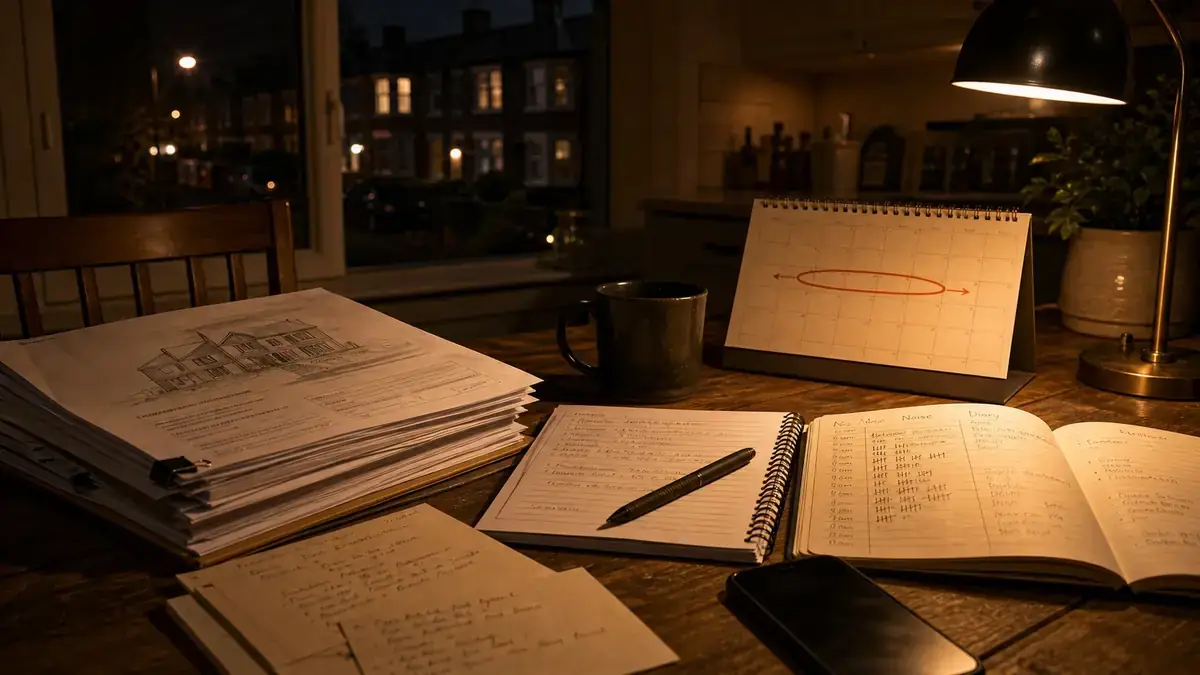
For a proposed 24-hour gym near homes, residents should read more than the headline description. Look for:
Opening hours. A daytime gym and a 24-hour gym are different neighbour-impact propositions.
Noise reports. Check whether music, plant, classes, weights, doors and customer movement have been assessed.
Access and servicing. Late-night arrivals, deliveries, waste and parking can matter around flats.
Conditions. Planning conditions may control hours, plant noise, doors, windows, management plans or acoustic mitigation.
This is why "I do not want a gym" is weak, but "the entrance is directly below bedrooms, the use is 24-hour, and the noise report does not assess late-night departures" is much stronger.
What PlanWatch changes
PlanWatch cannot make a council refuse a gym. It cannot promise that every neighbour comment wins. What it can do is pull the discovery point forward.
Late discovery
Residents find out after the decision, after fit-out, or after the first nights of disturbance. The complaint becomes retrospective.
Early alert
Residents see the application during consultation, read the hours and drawings, and make a planning-specific comment while the officer is still considering the file.
Check the applications near your block.
Search your postcode and track nearby proposals before the decision notice is already written.
Search your postcode freeOfficial sources
This story is based on Local Government and Social Care Ombudsman decision 20 006 816. For the general objection process, read how to object to a planning application and planning objections for noise and disturbance.
Frequently asked questions
Can residents comment if they were not formally notified?
Often yes, if the application is still open for comments. Many councils allow public comments through the planning portal, but deadlines and publicity rules vary by council and application type.
Is noise from a proposed gym a planning issue?
Noise and disturbance can be material planning considerations. The most useful comments are specific: likely hours, where the entrance is, which homes are affected, whether acoustic evidence is missing, and what conditions might be needed.
Can a missed consultation letter overturn planning permission?
Not automatically. A council may be at fault if it fails its publicity process, but complaints usually turn on whether that fault changed the decision or caused significant injustice.
How could PlanWatch help with this type of issue?
PlanWatch helps residents find out earlier. That means more time to read the plans, check the noise evidence and submit a planning-related comment before the decision is made.
Disclaimer: PlanWatch provides general information about UK planning processes. This content is not legal advice. Planning law is complex and varies by local authority. Consult a qualified planning consultant or solicitor for advice specific to your situation.