On this page 6 sections
Not every planning nightmare is about being ignored. Sometimes people object, the council still approves, and the harm they feared becomes visible in sunlight and shadow.
This dramatized article is based on a GB News report citing homeowners' concerns about a neighbour's loft conversion and solar panels. It is a story about evidence, timing and the limits of planning objections.
The shadow line
The dramatized version begins on a bright cold morning. The panels are on the roof, the generation app is open, and the homeowner knows the old winter numbers by habit.
Then scaffolding rises next door. The roofline changes. The light that used to hit the panels cleanly becomes partial, awkward, interrupted.
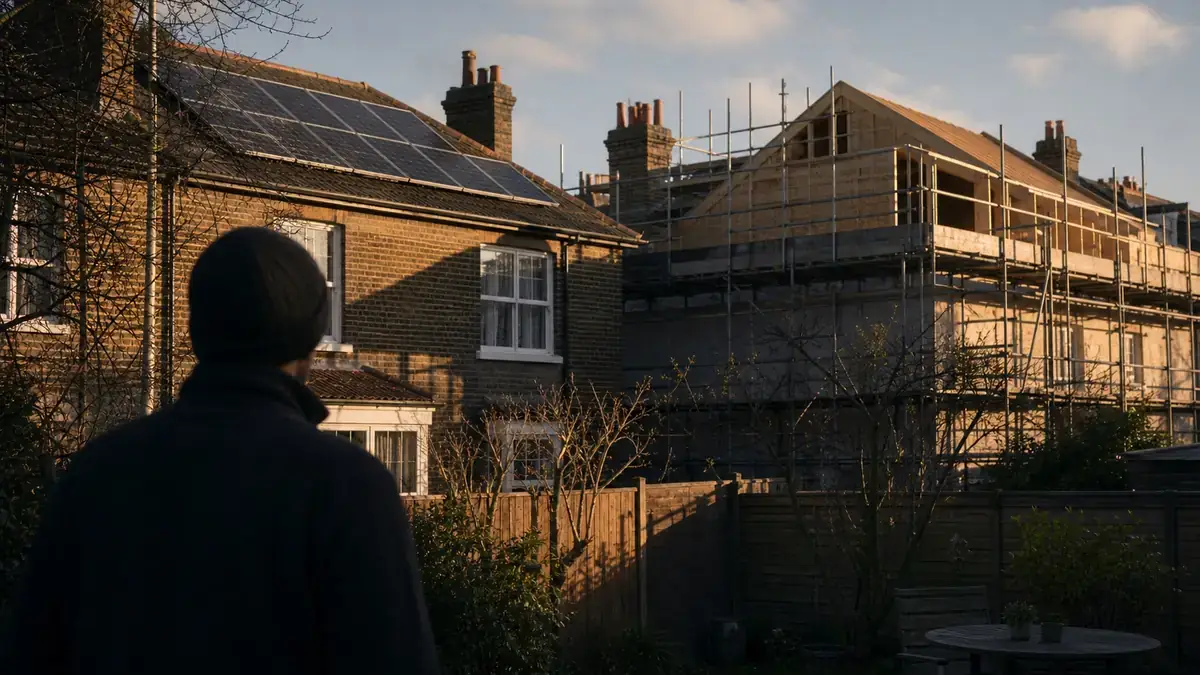
The source story is GB News' report on homeowners who said a neighbour's loft conversion blocked sunlight to solar panels. The key PlanWatch lesson is not "every solar objection wins". It is the opposite: understandable harm still needs planning-relevant evidence, and councils may still approve.
Why this is a difficult objection
Loss of light, overshadowing and amenity can be planning issues. But the planning system is not a simple compensation machine for every financial or practical impact. A private easement of light is a separate matter again, and one the council cannot weigh at all — see right to light surveys and planning.
A loft conversion, dormer or roof change may alter the sunlight pattern.
The objection needs to show the specific planning harm, not just understandable frustration.
Policy, design, neighbour amenity and permitted-development context may all matter.
Early awareness does not guarantee refusal, but it gives evidence the best chance of being considered.
What strong evidence looks like
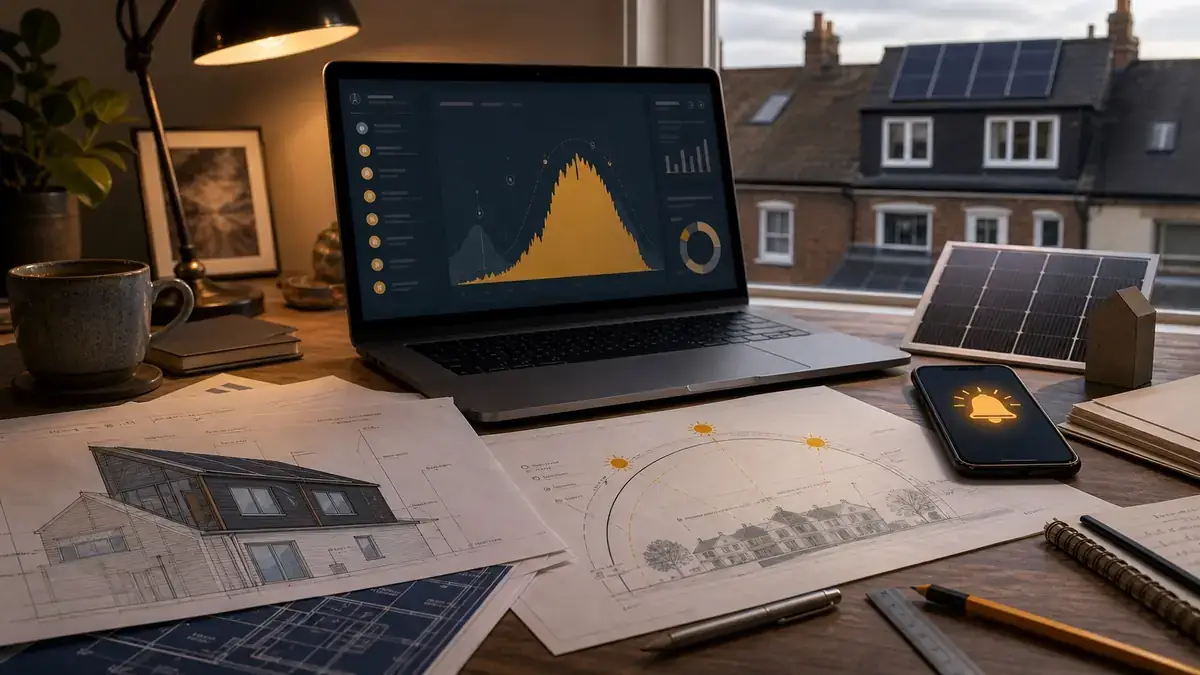
Panel position. Show where the panels sit and which ones could be shaded.
Sun path. Explain time of day and season, not just "it blocks light".
Drawings. Compare proposed roof height, dormer projection and distance from your property.
Policy language. Tie the point to amenity, overshadowing, design or local policy where relevant.
The best objections do not sound angrier. They sound clearer.
What PlanWatch changes
PlanWatch does not make solar-panel objections win. It gives owners more time to build the right evidence.
The honest sell: early alerts do not create certainty. They create time to check, measure, photograph and comment before the decision.
Solar panels on your roof?
Monitor nearby loft and roof applications so you are not building evidence after the approval is already issued.
Search your postcode freeOfficial sources
This article is based on GB News' report on the neighbour solar-panel dispute. For related PlanWatch guides, read planning objections for loss of light, loft conversion planning permission, and material planning considerations.
Frequently asked questions
Can loss of sunlight to solar panels be a planning objection?
It may be raised, but it is not an automatic winning objection. Weight depends on the facts, planning policy, evidence and the council's assessment.
What evidence helps with shadow or light concerns?
Useful evidence includes plans, roof orientation, photos, sun-path evidence, daylight or sunlight reports, and a specific explanation of which panels or spaces are affected.
Can PlanWatch stop an approved loft conversion?
No. PlanWatch helps you spot proposals earlier so you can check the plans and submit evidence in time. It cannot guarantee a refusal.
What should solar-panel owners monitor?
Nearby loft conversions, roof extensions, dormers, upward extensions, new buildings and amended plans that could alter sunlight, access or maintenance.
Disclaimer: PlanWatch provides general information about UK planning processes. This content is not legal advice. Planning law is complex and varies by local authority. Consult a qualified planning consultant or solicitor for advice specific to your situation.